Friday, March 2, 2012

Unmanned Aerial Vehicles (UAV's)


UAV Shooting guided missile

    Unmanned Aerial Vehicles (UAV's) are aircraft that are guided automously by remote, or by both means.  They carry sensors, electronic receivers and transmitters, or offensive ordnance.  They are used for strategic and operational reconnaissance and for battlefield surveillance.


TONY

Assult Helicopters


Bell UH-1 Iroquis Flying during Vietnam
Cobra Gunship
    The mainstay of U.S. Army assault units in Vietnam was the Bell UH-1 Iroquis, popularly known as the huey, Army aviators were adding turret-mounted 40mm granade launchers, skid mounted rocket pads, and 7.62 machine guns.  All these experiments led to the development of the AH-1G Huey Cobra, deployed in 1967.  Both are still in service today they serval along side the Black Hawk and Apache.
  

TONY

Stealth Technology


F-18 A Hornet Escorting A B-2 Stealth Bombers
   
   Since radar-detected defenses began taking a toll on Bomber Formations in WW II. Scientist, aircraft designers and military aviatiors had sought ways to avoid radar detection.  In the 1970's the development of such materials as carbon-fibers, composites, and high strength combat aircraft became possible.


TONY

Mach 2


Marine F-4 Phantoms in Formation


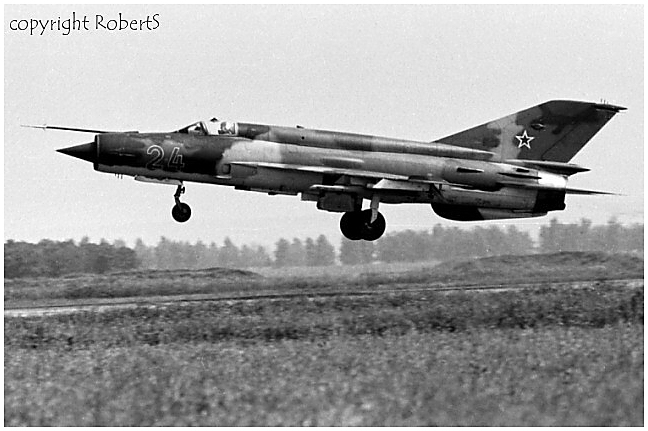
 Soviet MiG-21
   A fourth generation of fighter began appearing in the 1960's. This aircraft could fly at about Mach 1.5 to 2.3. Advances in these planes engines and body styles "aerodynamics," made these aircraft much faster than their ancestors from the 1940's and 1950's. Fighters from this era are the U.S McDonnell Douglass F-4 phantom , and the Soviet MiG-21.


TONY

Supersonic flight


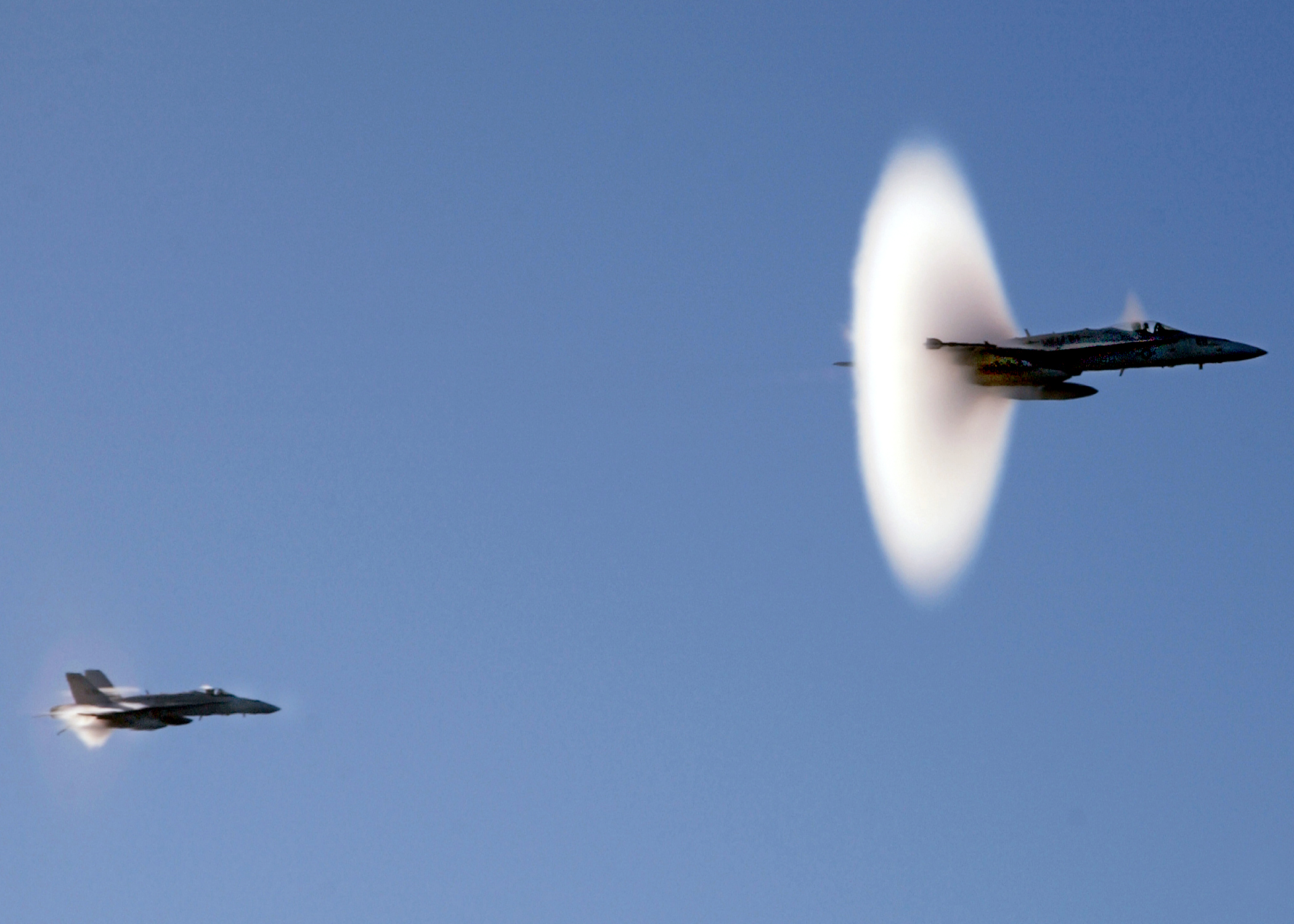
F-14 Tomcat entering supersonic
   A third generation of fighters, designed to be equiped with powerful after burning engines were developed and entered into service in the mid-1950's. These fighters were developed for air-to-air combat. These were the first supersonic fighter planes.


NOAH

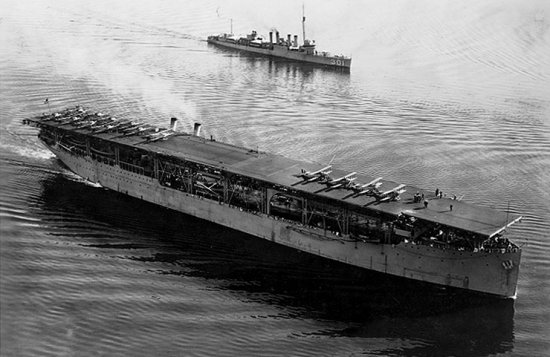
Carrier Aircraft


   Carrier-Baised airpowers were quickly being advanced. During 1916 planes were being flown off 200ft boat decks. These ships had been transformed from commercial vessels. The concept of the true airrcraft carrier had been born.


TONY

Naval Aviation


   Equally significant progress was made in naval flying in World War I. Three distinct categories of combat aircraft emerged: long-range overwater reconnaissance and antisubmarine aircraft from shore bases, shorter range floatplane, reconnaisance and fighter aircraft, and lastly long-range flying boats; so called because their fuselages were shaped like the hull of a boat.


TONY